
The Caregiver’s Balancing Act: Supporting Loved Ones While Maintaining a Career
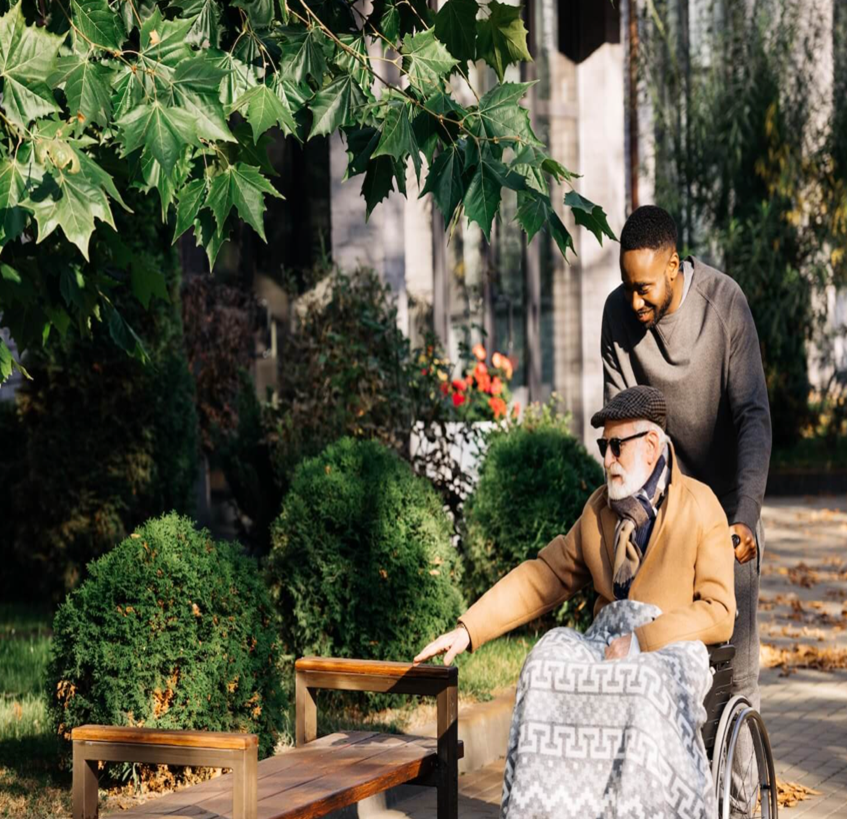
Caregiving is often described as one of the most profound acts of love and responsibility. But for millions of Americans, caregiving is not just a personal role—it runs parallel to the demands of a career. This balancing act can feel like walking a tightrope, where every step is weighed between supporting a loved one with memory loss and meeting workplace expectations.
For caregivers and individuals living with mild cognitive impairment (MCI), the challenge is even greater. Without workplace understanding and supportive policies, the hidden toll of caregiving may lead to exhaustion, burnout, and cognitive strain. The question we must ask is this: how can workplaces evolve into dementia-inclusive spaces that honor both productivity and humanity?
The Invisible Workforce of Caregivers
According to the Alzheimer’s Association, more than 12 million Americans provide unpaid care for someone with dementia. Many of these caregivers also hold full-time or part-time jobs. Yet caregiving often remains invisible in workplace conversations. Unlike other life events—such as the birth of a child or medical leave—caregiving responsibilities are rarely acknowledged as part of an employee’s identity.
This invisibility comes at a cost. Caregivers often arrive late, leave early, or take phone calls during work hours to manage crises at home. The emotional load of watching a loved one decline in memory and function compounds the stress of professional duties. For employees with MCI themselves, the burden may feel doubly isolating: struggling privately with their own memory challenges while simultaneously supporting another’s.
The Emotional Toll of Juggling Two Worlds
The emotional cost of caregiving while maintaining a career is significant. Caregivers report higher rates of stress, depression, and anxiety. They often describe a sense of guilt—never feeling fully present at work or at home. Over time, this stress wears on the brain, impairing concentration, memory, and decision-making.
For caregivers with MCI, the workplace can amplify these difficulties. Early symptoms such as forgetfulness, difficulty finding words, or slower processing speed may worsen under pressure, leaving caregivers vulnerable to misinterpretation by supervisors or colleagues. Instead of receiving understanding, many face stigma or assumptions of incompetence.
Workplace Accommodations: A Path Forward
The balancing act becomes less precarious when workplaces implement thoughtful accommodations. Some examples include:
Flexible schedules – Allowing caregivers to adjust hours for medical appointments or crises.
Remote or hybrid options – Reducing commuting stress while increasing availability for loved ones.
Job sharing or reduced workloads – Creating space for caregivers to meet both personal and professional responsibilities.
Wellness programs – Offering stress management, counseling, or caregiver support groups.
These accommodations not only benefit caregivers—they enhance overall workplace morale and loyalty. Employees who feel supported are more likely to stay engaged and committed.
Caregiver Rights in the Workplace
Caregivers often don’t realize they have rights. In the U.S., protections such as the Family and Medical Leave Act (FMLA) allow eligible employees to take unpaid leave to care for loved ones with serious health conditions. Additionally, the Americans with Disabilities Act (ADA) protects individuals from discrimination if they are associated with someone who has a disability, including dementia.
Yet many caregivers do not use these protections—either because they don’t know about them, fear stigma, or worry about losing career opportunities. Education is critical: caregivers must understand their rights and feel empowered to advocate for themselves in the workplace.
Building Dementia-Inclusive Workplaces
The future of work must be dementia-inclusive. This does not mean lowering expectations but creating structures that acknowledge reality. A dementia-inclusive workplace:
Educates employees about dementia, reducing stigma and promoting empathy.
Normalizes conversations about caregiving responsibilities, making them as valid as discussions about childcare.
Provides training for managers to recognize caregiver stress and respond with flexibility rather than punishment.
Develops policies that integrate caregiver needs into wellness programs and employee benefits.
Such practices benefit not only caregivers but also employees with MCI. By creating environments that value inclusion, workplaces can retain skilled employees while affirming human dignity.
A Thought-Provoking Perspective
What does it mean to succeed at work when success at home depends on your ability to show up as a caregiver? What if workplaces reimagined productivity not as hours at a desk but as the sustainable balance of human needs and professional contributions?
Caregiving is not a distraction from work—it is an extension of humanity into the workplace. The skills caregivers develop—resilience, patience, problem-solving—are assets to organizations. But these assets can only thrive in workplaces willing to dismantle stigma and embrace inclusion.
For caregivers and individuals with MCI, the balancing act will always be demanding. Yet when families, communities, and companies work together, the rope becomes less fragile, the steps more secure.
Practical Takeaways for Brain Health
Know your rights – Familiarize yourself with FMLA and ADA protections; they exist to support you.
Advocate for flexibility – Request accommodations like hybrid schedules or adjusted workloads when needed.
Protect your own health – Prioritize sleep, nutrition, and exercise to buffer against caregiver stress.
Use workplace resources – Take advantage of employee assistance programs (EAPs), counseling, or wellness offerings.
Communicate openly – When possible, share caregiving challenges with supervisors to build trust and understanding.
Build a support network – Connect with other caregivers in the workplace or community for solidarity.
Reframe caregiving as strength – Recognize that caregiving builds resilience, empathy, and problem-solving—skills that enhance workplace contributions.