
Superagers: What They Teach Us About Resilience and Lifelong Brain Health
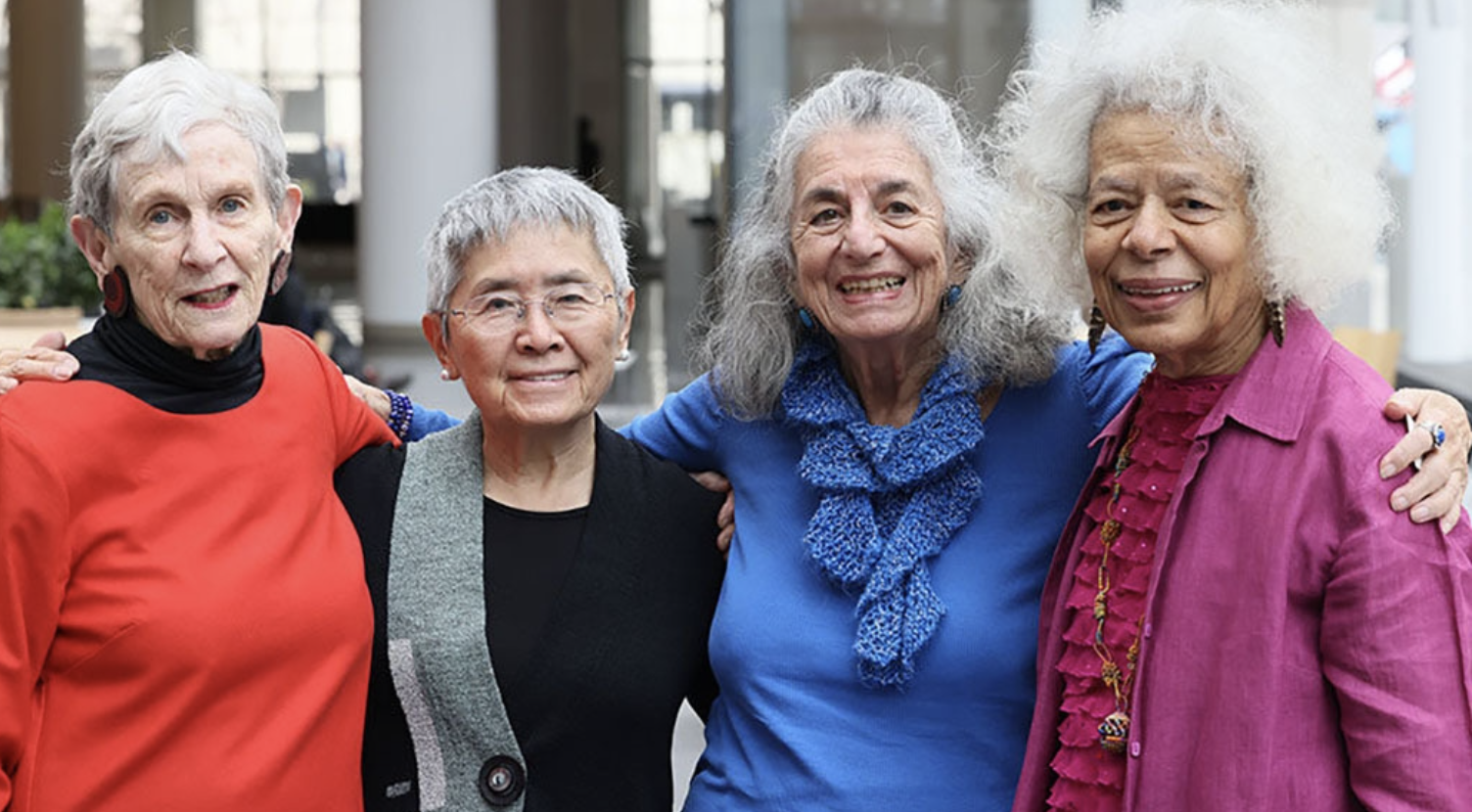
When most of us think about aging, we picture decline—slower steps, dimmer eyesight, and, most concerning, fading memory. Yet not all older adults follow this path. Some people in their 60s, 70s, and beyond perform on memory tests as well as individuals decades younger. These remarkable individuals are called “superagers.”
Superagers do not simply resist decline; they challenge our assumptions about what aging means. For caregivers and individuals living with mild cognitive impairment (MCI), studying superagers offers a roadmap for resilience: proof that lifestyle choices, mindset, and social habits can influence the trajectory of brain health across a lifetime.
Who Are Superagers?
The term “superager” emerged from research at Massachusetts General Hospital, where neuroscientists studied older adults who consistently performed on memory and attention tasks at levels comparable to those in their 20s or 30s. Brain imaging revealed something extraordinary: these older adults not only preserved memory function but also maintained thicker cortex regions, especially in areas related to attention, language, and executive function.
In essence, their brains resisted the typical shrinkage that accompanies aging. While most people lose volume in the cortex—the outer layer critical for thinking and memory, superagers retained it, offering living evidence that aging does not guarantee cognitive decline.
The Science of Resilience
What sets superagers apart? Researchers have found that resilience is not a passive trait; it is cultivated. Superagers engage in behaviors and lifestyles that stress their brains and bodies in positive ways:
Mental resilience – They challenge themselves cognitively through lifelong learning, reading, puzzles, or mastering new skills.
Physical resilience – They maintain cardiovascular fitness, protecting the brain through better blood flow and reduced inflammation.
Emotional resilience – They sustain meaningful social relationships, buffering the stress and loneliness that damage brain networks.
Interestingly, superagers’ brains often show stronger connections between emotional and memory centers, the anterior cingulate cortex and the hippocampus. This suggests that emotional well-being and cognitive health are deeply intertwined.
Lessons for Caregivers in the Workplace
Caregiving is demanding, and caregivers often prioritize others’ needs above their own. Yet the habits of superagers remind us that protecting the caregiver’s brain is essential—not only for personal health but also for sustaining energy and resilience in the workplace.
Caregivers who neglect their own mental and physical well-being risk accelerating memory problems, mood disorders, and workplace burnout. Adopting superager-inspired habits—engaging socially with colleagues, continuing to learn new skills at work, and prioritizing self-care—can counteract stress and preserve brain health.
What Superagers Teach Us About Stress
Superagers experience stress just like anyone else. The difference lies in their recovery. Rather than allowing stress to linger, they use tools such as exercise, meditation, or strong social connections to return their bodies and brains to balance.
This is a crucial lesson for caregivers and individuals with MCI in the workplace. Chronic stress, left unchecked, elevates cortisol levels that damage the hippocampus—the brain’s memory hub. By managing stress proactively, caregivers can protect themselves from cognitive wear and tear.
Social Connection: The Lifeline of Brain Health
One of the strongest predictors of superaging is robust social connection. Superagers do not isolate themselves; they nurture meaningful relationships, stay engaged in communities, and maintain a sense of purpose.
For individuals with MCI, this is an empowering reminder: while cognitive changes may feel isolating, deliberate engagement with coworkers, friends, and family can help preserve function. For caregivers, fostering workplace and community support networks offers both emotional strength and practical relief.
The Role of Purpose and Challenge
Superagers also share another trait: a willingness to take on challenges rather than retreat from them. They continue learning languages, volunteering, working, or picking up new hobbies. Instead of viewing aging as a time of withdrawal, they see it as a chapter of growth.
This perspective matters for people with MCI in the workplace. Adapting tasks may be necessary, but disengaging entirely can accelerate decline. Continuing to participate—at a pace that respects limitations—nurtures a sense of purpose that supports brain resilience.
What About Genetics?
Skeptics often ask: Are superagers simply lucky with their genes? Genetics do play a role, but studies suggest environment and lifestyle matter just as much, if not more. Even individuals with a family history of dementia can delay or reduce their risk by adopting brain-healthy habits. Superagers remind us that while we cannot change our genes, we can change how we live.
The Workplace as a Laboratory for Superaging
For many, the workplace is not just a source of income but also a hub for social connection, problem-solving, and personal growth. These are the very ingredients that fuel superaging. Work challenges the brain with new tasks, keeps people socially active, and provides a sense of purpose.
Employers can play a role in cultivating “superager-friendly” workplaces by:
Encouraging continuous learning and training opportunities.
Promoting wellness programs that include exercise and nutrition.
Reducing stigma around MCI and dementia, allowing employees to remain engaged with dignity.
Supporting caregivers with flexibility and understanding.
When workplaces nurture both caregivers and employees with MCI, they create conditions that allow resilience to thrive.
A Thought-Provoking Perspective
The existence of superagers challenges one of our most deeply held cultural assumptions: that aging inevitably leads to decline. Instead, superagers show us that the brain, when nourished and challenged, can remain strong and vibrant well into older adulthood.
For caregivers, the message is clear: protecting your own brain health is not selfish—it is essential to sustaining the care you provide. For individuals with MCI, the lesson is equally powerful: while cognitive change may be part of your story, resilience and growth remain within reach.
Practical Takeaways for Brain Health
Challenge the brain – Learn new skills, take on projects, and avoid routine that dulls memory.
Stay socially engaged – Make time for meaningful connections with colleagues, friends, and family.
Manage stress actively – Use mindfulness, exercise, and community support to protect the hippocampus.
Prioritize physical health – Exercise regularly and adopt brain-healthy diets such as MIND or Mediterranean.
Seek purpose – Continue engaging in work, hobbies, or volunteering that provide meaning.
Protect sleep – Rest is essential for consolidating memory and repairing brain networks.
Advocate at work – Encourage dementia-friendly policies that support caregivers and employees with cognitive challenges.
7 Habits of Superagers
1. Challenge the Brain
Learn new skills, languages, or hobbies.
Avoid “auto-pilot” routines—stretch your mind.
2. Stay Socially Engaged
Nurture friendships, workplace connections, and family bonds.
Join community or caregiver groups.
3. Manage Stress
Practice mindfulness, deep breathing, or yoga.
Reduce cortisol surges that damage memory.
4. Prioritize Physical Health
Exercise 30 minutes most days.
Keep blood pressure, cholesterol, and blood sugar in check.
5. Seek Purpose
Stay engaged in meaningful work, volunteering, or caregiving.
Purpose fuels resilience.
6. Protect Sleep
Aim for 7–8 hours of restorative rest.
Create consistent sleep routines and limit evening screen time.
7. Eat for Brain Health
Follow the MIND or Mediterranean diet.
Focus on leafy greens, berries, fatty fish, nuts, and olive oil.
Tagline:
"Superagers remind us: Aging is inevitable, but decline is not."