
Nutrition and Neuroprotection: Everyday Foods That Boost Memory and Fight Dementia Risk
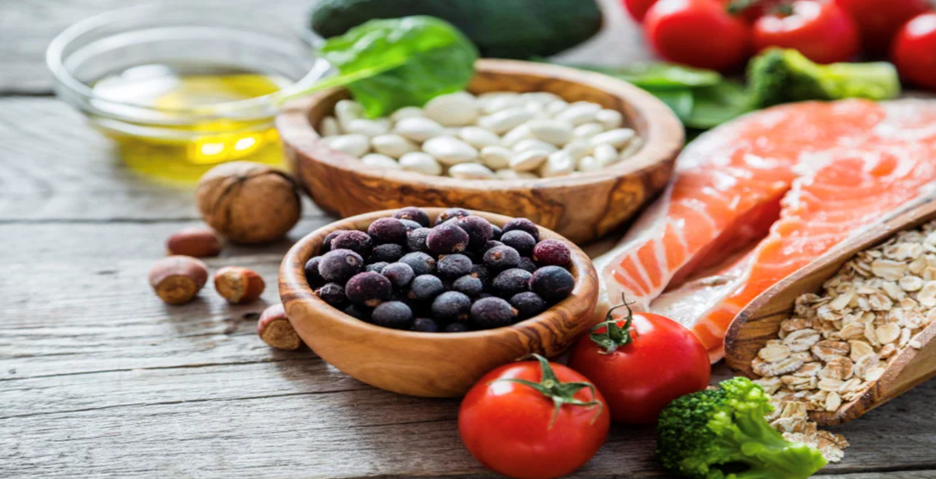
The old saying “you are what you eat” takes on new urgency when it comes to brain health. Increasingly, scientific research shows that the foods we consume are not just fuel for the body—they are medicine for the mind. Nutrition plays a vital role in shaping memory, attention, and resilience against neurodegenerative diseases like Alzheimer’s and related dementias.
For caregivers juggling the demands of work and family, or for individuals living with mild cognitive impairment (MCI), food choices can either add to the stress burden or become a daily act of protection. The question is not whether diet affects the brain—it is how deeply and in what ways.
Why Nutrition Matters for the Brain
The brain, though only about 2% of body weight, consumes nearly 20% of the body’s energy. It thrives on a steady supply of nutrients, antioxidants, and healthy fats. When deprived—or when exposed to inflammatory foods—the brain’s neurons become vulnerable to oxidative stress and inflammation. Over time, these processes accelerate memory decline and increase dementia risk.
Nutrition is not a cure for Alzheimer’s disease, but it is one of the most powerful modifiable factors we have. What we put on our plates today shapes not only our health tomorrow but also the resilience of our brains decades into the future.
Leafy Greens: The Brain’s Daily Shield
Spinach, kale, collard greens, and Swiss chard are not only heart-healthy but also brain-protective. They are rich in folate, vitamin K, beta-carotene, and lutein—all associated with slower cognitive decline.
In one study from Rush University, adults who ate one to two servings of leafy greens per day had brains that functioned as if they were 11 years younger compared to those who rarely consumed greens. For individuals with MCI, adding leafy greens to a lunch salad or dinner plate is an immediate, practical step toward neuroprotection.
Berries: Nature’s Antioxidant Powerhouses
Blueberries, strawberries, and blackberries pack anthocyanins, powerful antioxidants that reduce oxidative stress and inflammation in the brain. Research has shown that regular berry consumption improves memory and learning, and may slow age-related cognitive decline.
Berries also boost communication between brain cells, helping neurons fire more efficiently. For busy caregivers, keeping frozen berries on hand for smoothies or snacks is an easy way to fuel the brain.
Omega-3 Fatty Acids: The Brain’s Building Blocks
Fatty fish like salmon, sardines, and mackerel are rich in omega-3 fatty acids—particularly DHA, which is critical for maintaining the structure of brain cell membranes. Omega-3s also reduce inflammation, improve blood flow, and support neurotransmission.
Low omega-3 levels have been linked to smaller brain volumes and higher dementia risk. For caregivers and employees with demanding schedules, incorporating fish twice a week—or supplementing under medical guidance—can significantly enhance long-term brain resilience.
Whole Grains and Brain Energy
Unlike refined carbohydrates that spike blood sugar, whole grains such as oats, quinoa, and brown rice release glucose steadily, providing the brain with a stable energy supply. Whole grains are also rich in B vitamins, which reduce homocysteine—a compound linked to brain atrophy and dementia.
For individuals with MCI, swapping white bread for whole grain or adding oatmeal to breakfast helps maintain energy, focus, and memory throughout the workday.
Nuts and Seeds: Small but Mighty Brain Boosters
Almonds, walnuts, chia seeds, and flaxseeds are packed with vitamin E, magnesium, and healthy fats that protect neurons from oxidative damage. Walnuts, in particular, have been linked to improved memory and better cognitive performance.
Adding a handful of nuts to a workday snack or topping salads with seeds can provide ongoing neuroprotection without significant effort.
Spices and Herbs: More Than Flavor
Turmeric, with its active compound curcumin, has strong anti-inflammatory and antioxidant properties. Cinnamon, rosemary, and sage have been shown to improve attention and memory. Garlic supports cardiovascular health, indirectly benefiting brain circulation.
For caregivers preparing meals, spices are an easy way to transform everyday dishes into brain-friendly fuel.
Hydration: The Overlooked Factor
Dehydration is a hidden but significant threat to cognitive performance. Even mild dehydration can cause brain fog, fatigue, and impaired memory. Caregivers often skip water during busy days, while individuals with MCI may forget to drink entirely.
Maintaining hydration through water, herbal teas, or water-rich foods like cucumbers and oranges supports both brain and body function.
The MIND Diet: A Blueprint for Brain Health
The MIND diet (Mediterranean-DASH Intervention for Neurodegenerative Delay) combines the best of the Mediterranean and DASH diets with specific emphasis on foods linked to slower cognitive decline. It emphasizes leafy greens, berries, nuts, whole grains, fish, beans, olive oil, and poultry while limiting red meat, butter, sweets, and fried foods.
Studies suggest that those who closely follow the MIND diet reduce their Alzheimer’s risk by up to 53%. Even moderate adherence lowers risk significantly. For caregivers and people with MCI, the MIND diet offers a structured, realistic approach to everyday eating.
The Workplace as a Space for Brain-Friendly Choices
Nutrition is often overlooked in workplace wellness programs, yet food plays a central role in productivity and cognitive clarity. Offering healthier cafeteria options, providing fruit instead of sugary snacks at meetings, or encouraging water breaks can create dementia-friendly workplaces.
For employees managing MCI or caregiver stress, these choices are more than perks—they are lifelines that support daily functioning and long-term resilience.
A Thought-Provoking Perspective
If dementia risk can be influenced by diet, then every meal becomes an opportunity to invest in memory. The foods we eat daily are not neutral—they either accelerate decline or build resilience.
For caregivers, this is both empowering and challenging. It means caregiving is not just about managing another’s medications or routines—it is also about modeling brain-healthy behaviors that benefit both the caregiver and their loved one. For individuals with MCI, it reframes nutrition not as restriction, but as an act of self-preservation and empowerment.
Practical Takeaways for Brain Health
Eat leafy greens daily – Even one serving improves brain resilience.
Add berries to your week – Frozen or fresh, aim for at least two servings.
Choose fatty fish twice weekly – Or supplement with omega-3s under guidance.
Swap refined carbs for whole grains – Keep glucose steady for focus and memory.
Snack smart with nuts and seeds – Walnuts and flaxseeds are particularly brain-friendly.
Spice it up – Add turmeric, cinnamon, and rosemary for flavor and neuroprotection.
Stay hydrated – Aim for 6–8 glasses of water daily.
Follow the MIND diet – A proven blueprint for dementia prevention.
Advocate for brain-healthy food at work – Suggest fruit, nuts, or whole grains at meetings.
Remember: food is medicine – Every choice can nurture or diminish your brain health.