
Could the Shingles Vaccine Help Protect the Brain? New Research Suggests It Might
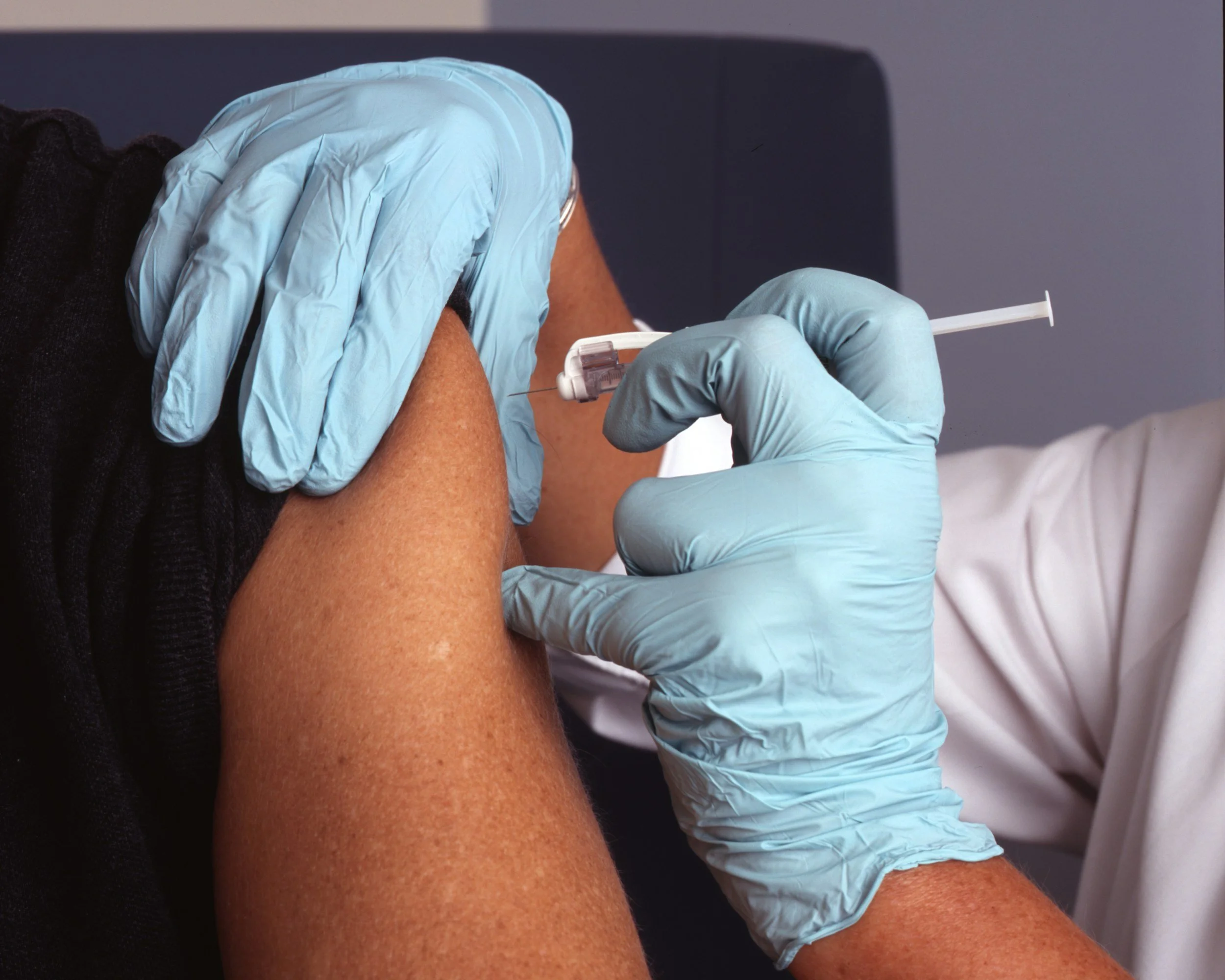
Could the Shingles Vaccine Help Protect the Brain? New Research Suggests It Might
For decades, scientists have searched for ways to prevent or delay the onset of Alzheimer’s disease. Emerging research now suggests that something many older adults already receive for routine health protection—the shingles vaccine—may also play a role in lowering dementia risk.
A growing body of evidence indicates that vaccination against shingles could reduce the likelihood of developing Alzheimer’s disease and other forms of dementia later in life. While the vaccine is primarily designed to prevent a painful viral infection, researchers are increasingly finding that protecting the body from certain viruses may also protect the brain.
The Link Between Shingles and Brain Health
Shingles is caused by the varicella-zoster virus, the same virus responsible for chickenpox. After someone recovers from chickenpox, the virus does not completely disappear. Instead, it remains dormant in the body’s nerve cells, sometimes for decades.
As people age and their immune systems weaken, the virus can reactivate and cause shingles. The condition is known for producing painful blistering rashes, but its effects can be far more serious. In some cases, shingles can lead to nerve damage, vision problems, hearing complications, or inflammation in the brain.
“Viruses that remain hidden in the nervous system may contribute to long-term inflammation in the brain,” said Dr. Pascal Geldsetzer, a physician and epidemiologist at Stanford University. “Preventing those viral reactivations could potentially reduce the risk of neurodegenerative diseases later in life.”
A Unique Public Health “Natural Experiment”
The newest research examining this connection was published in the journal Nature in 2025. Scientists analyzed data from a public health vaccination program in Wales that unintentionally created a unique research opportunity.
When the shingles vaccination program began on September 1, 2013, vaccine supplies were limited. Eligibility was restricted to adults who were exactly 79 years old at the time. People who were already 80 or older were not eligible for the vaccine.
This age cutoff created two nearly identical groups of older adults:
Those just young enough to receive the vaccine
Those just slightly older who could not receive it
Because the groups were otherwise similar in health, environment, and lifestyle, researchers were able to observe the long-term outcomes in a way that closely resembles a randomized clinical trial.
“This type of policy-based cutoff gives researchers a rare opportunity to study real-world health effects with strong scientific reliability,” said Geldsetzer.
A Significant Reduction in Dementia Risk
Researchers followed the participants for roughly seven years. As expected, people who received the shingles vaccine were far less likely to develop shingles infections.
But another striking pattern also emerged.
By the time participants reached their mid-80s, those who had received the vaccine were about 20 percent less likely to be diagnosed with dementia, including Alzheimer’s disease.
The protective effect appeared particularly strong among women, who are known to have a higher lifetime risk of shingles.
When investigators examined additional health records from England—where a similar age-based vaccination policy was used—they found comparable results. Individuals who were eligible for vaccination were also less likely to have dementia listed as a cause of death nearly a decade later.
Why Might Vaccination Protect the Brain?
Researchers are still working to understand the biological mechanisms behind this relationship, but several explanations are being explored.
One possibility involves the role viruses may play in triggering inflammation in the brain. Chronic inflammation has long been linked to neurodegenerative diseases such as Alzheimer’s.
Another theory centers on vascular damage. The varicella-zoster virus has been associated with increased risk of stroke and cardiovascular disease—both known risk factors for cognitive decline.
“Preventing viral infections may reduce inflammatory damage to blood vessels and nerve cells in the brain,” said neurologists at the National Institute on Aging. “Lower inflammation may translate into lower dementia risk over time.”
There is also growing evidence that infections may accelerate the accumulation of amyloid and tau proteins, the hallmark pathological changes seen in Alzheimer’s disease.
Newer Vaccines May Offer Even Greater Protection
In the United States, the shingles vaccine currently recommended for adults is Shingrix, which was approved in 2017 and replaced an earlier vaccine. The two-dose vaccine has been shown to be more than 90 percent effective in preventing shingles.
The Centers for Disease Control and Prevention recommends that all adults age 50 and older receive the vaccine, even if they previously had shingles or received an older vaccine.
Recent studies suggest that this newer vaccine may offer even greater neurological protection. A large analysis of health records published in 2023 found that adults vaccinated with Shingrix had a significantly lower incidence of dementia compared with unvaccinated individuals.
“These findings strengthen the idea that preventing viral infections could be an important strategy for protecting brain health,” researchers wrote in a study published in Nature Medicine.
A Promising Path for Alzheimer’s Prevention
Although the research does not prove that the shingles vaccine directly prevents Alzheimer’s disease, the evidence is becoming increasingly compelling.
Experts caution that dementia risk is influenced by many factors—including genetics, cardiovascular health, lifestyle, and aging itself. However, vaccination may represent one additional layer of protection.
“Vaccines have traditionally been viewed as tools for preventing infectious diseases,” said researchers from the Alzheimer’s Association. “But they may also play an unexpected role in protecting long-term brain health.”
Protecting Your Health Today—and Possibly Tomorrow
For older adults, getting vaccinated against shingles is already strongly recommended because it prevents a painful and sometimes debilitating infection.
Now, with mounting research suggesting that it may also help reduce dementia risk, the vaccine could offer an added benefit: protecting the brain in the years ahead.
While scientists continue to explore the complex connections between viruses, inflammation, and neurodegeneration, one message is clear—preventive health measures taken today may have powerful effects on cognitive health later in life.
Recent Sources (2023–2025)
Eyting M. et al. (2025). Herpes Zoster Vaccination and Dementia Risk: A Natural Experiment. Nature.
Taquet M. et al. (2023). Shingles vaccination and reduced dementia incidence. Nature Medicine.
Centers for Disease Control and Prevention. Shingles Vaccination Guidelines (2024 update).
National Institute on Aging. Viral infections and neurodegenerative disease research updates (2024).